The Allure of Ambiance
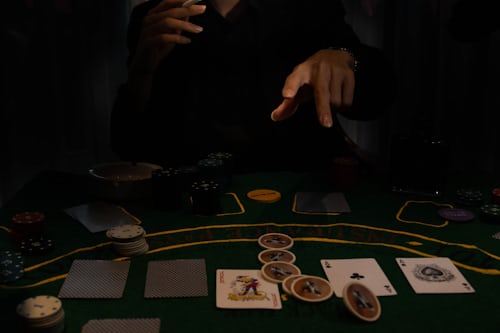
The environment in which gambling occurs plays a pivotal role in attracting players and maintaining their engagement. Casinos often employ specific lighting, sounds, and scents to create a captivating atmosphere. The combination of bright lights and the sounds of coins clinking or slot machines ringing creates an auditory and visual experience that keeps players excited and engaged. This sensory overload is designed to make time spent in the casino feel enjoyable, leading players to lose track of time and their budget while they consider the best canada online casinos.
Moreover, the layout of a casino is meticulously planned. Games are strategically placed to maximize foot traffic and encourage players to wander and discover new experiences. By creating a maze-like structure, casinos compel patrons to explore, potentially leading to impulsive decisions and extended playtime. This psychological manipulation ensures that players remain in the environment longer, increasing the likelihood of gambling more.
The Power of Rewards
Human psychology is significantly influenced by reward systems, and casinos harness this to enhance player engagement. Every win, no matter how small, triggers the release of dopamine, the “feel-good” hormone in the brain. This chemical reaction creates a sense of pleasure and excitement, reinforcing the desire to keep playing. Casinos often employ variable reinforcement schedules, which means players can never predict when they might hit a jackpot, promoting a cycle of hope and excitement.
Loyalty programs further capitalize on this principle, rewarding frequent players with bonuses, exclusive invitations, or comped services. These incentives are designed to foster a sense of belonging and loyalty among players, urging them to return to the casino for more opportunities to win. The anticipation of rewards keeps players engaged, contributing to the casino’s overall success.
Designed for Distraction
Casinos are crafted to minimize distractions from the outside world, creating a bubble that isolates players from the reality of their surroundings. Once inside, players are less likely to feel the weight of time or the impact of their losses. The absence of clocks and windows further disorients players, making it easy for them to lose track of time and their financial limits.
This psychological design is complemented by the provision of amenities such as restaurants and bars. By offering food and drinks within the gaming areas, casinos ensure that players remain on-site longer. The more comfortable and entertained players feel, the less likely they are to leave, leading to increased gaming activity and, consequently, casino profits.
The Illusion of Control
Many casino games, particularly table games like blackjack and poker, give players a false sense of control over their outcomes. Players believe that their decisions directly influence the game’s outcome, despite the inherent randomness of these games. This illusion of control encourages players to continue engaging, as they feel their skills can lead to success, even if the odds are stacked against them.
This psychological trick can keep players invested for hours, as they rationalize their continued play by thinking that the next hand or roll could be their lucky break. The longer they play, the more money they risk, feeding into the casino’s success. The belief that skill can alter chance is a powerful motivator, ensuring that players remain committed, often beyond their intended limits.
Understanding Casino Marketing Strategies
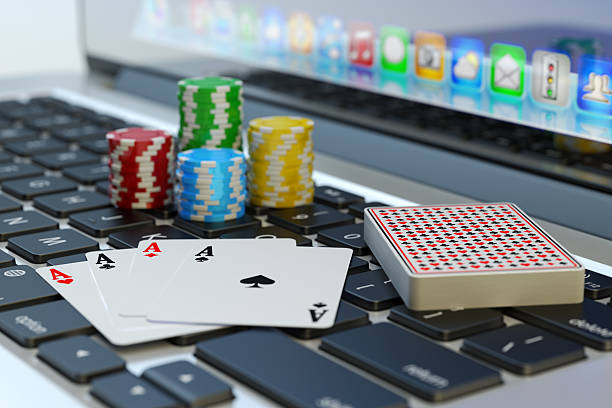
The marketing strategies employed by casinos reflect a deep understanding of human psychology. Promotions such as “free play” offers and “no deposit” bonuses attract new players by lowering the perceived risk associated with gambling. By offering something for nothing, casinos can entice individuals who may be hesitant to gamble.
Additionally, strategic advertising and branding reinforce the allure of the casino experience. Large-scale events, celebrity appearances, and themed nights create buzz and draw attention, enhancing the overall image of the casino as an entertainment destination. By positioning themselves as not just gambling venues, but as comprehensive entertainment hubs, casinos effectively expand their audience and increase their profitability.